
PRACTICE PRINCIPLES
The course is built around small floral decisions you can see, repeat, and adjust with simple materials.

Observe Flower Roles
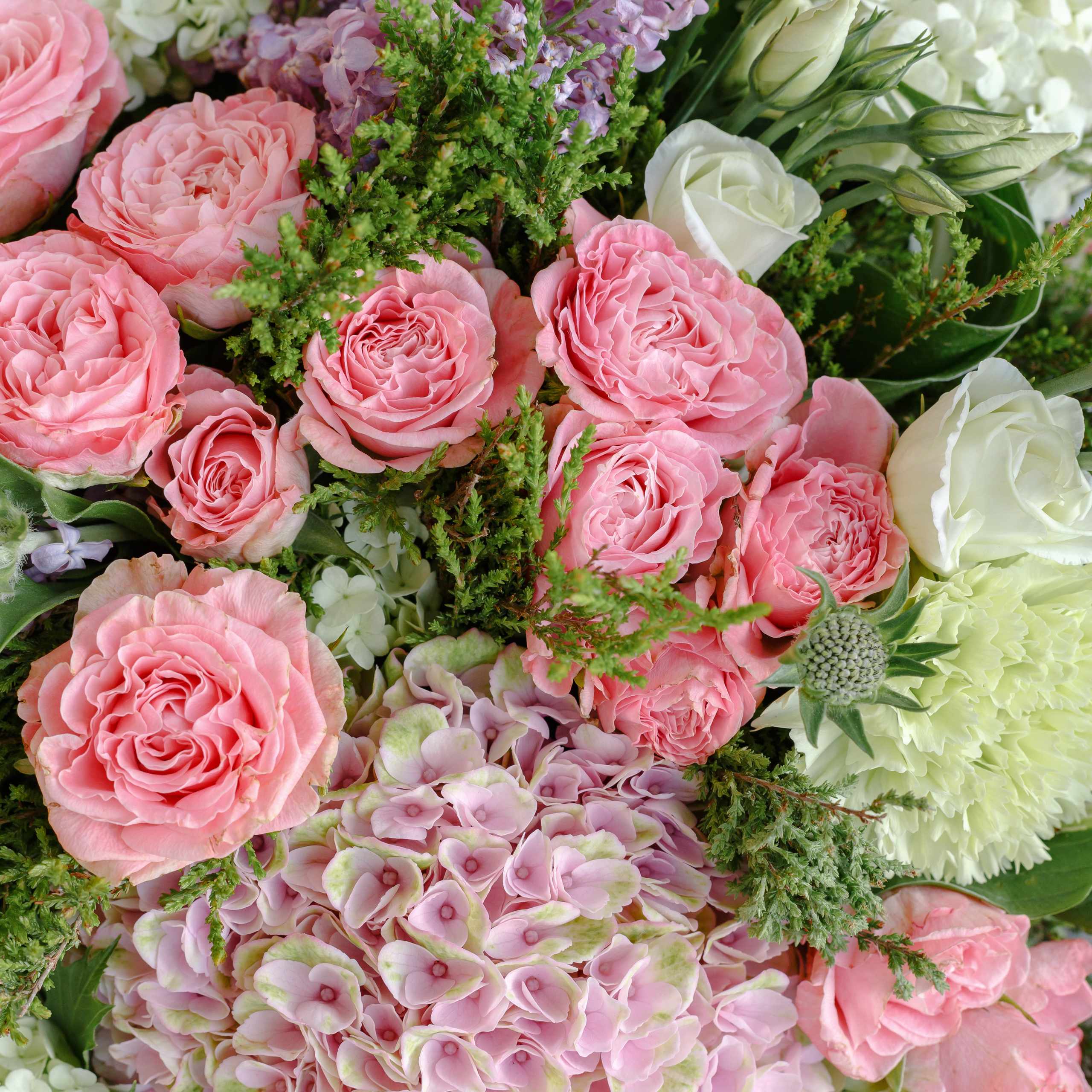
Before arranging, learners separate focal flowers, supporting blooms, filler stems, and foliage so each stem has a clear purpose.

Build With Pauses
Practice includes stopping after a few stems, turning the bouquet, and checking height, gaps, weight, and focal direction.
Repeat Simple Designs
Instead of rushing into complex arrangements, learners repeat small bouquets while changing one detail at a time.
About The Course Approach
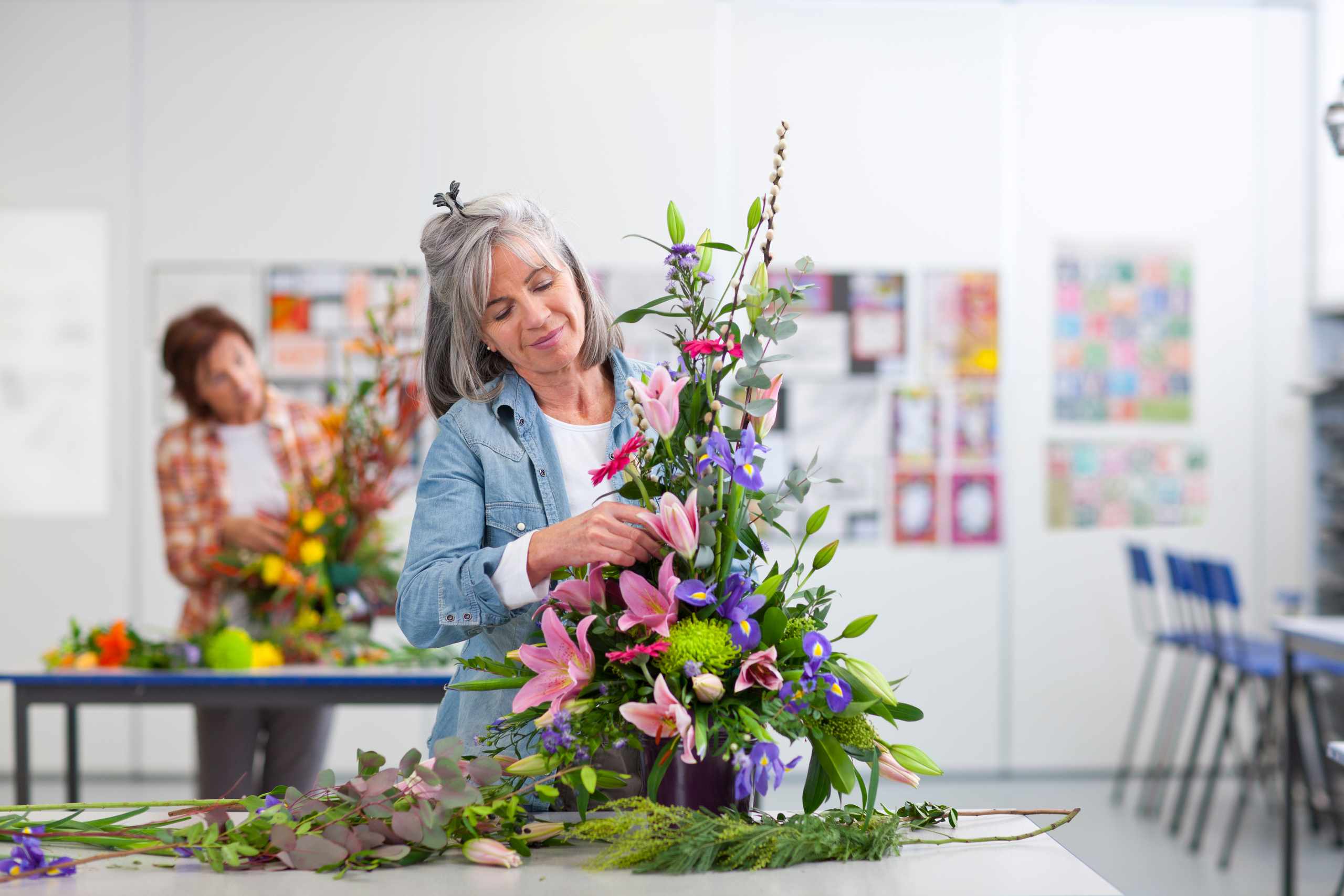
FloraDesign Course focuses on the practical beginning of floral arrangement: preparing stems, choosing flower roles, placing greenery, and noticing how color, height, and proportion affect a simple design.
The approach avoids oversized promises. It does not treat a first bouquet as a finished professional piece. It treats each arrangement as a way to practice flower conditioning, cut angles, waterline awareness, bouquet turning, and calmer placement.
A learner might clean lower leaves, sort focal flowers from fillers, sketch the shape with greenery, add supporting blooms, then pause to check whether the focal point still reads clearly. These small checks make floral design easier to understand before more decorative wrapping or ribbon work begins.
How Progress Is Noticed
Progress is measured through visible arrangement habits, not dramatic claims. Learners look for cleaner stems, steadier tie points, clearer focal placement, better spacing, and fewer rushed cuts.
Cleaner Stem Prep
Clearer Flower Balance
Calmer Bouquet Checks
LEARNING PATHS
These paths describe practice focus areas, not fixed packages, certificates, or professional guarantees.
Stem Basics
Leaf removal below waterline
Fresh cuts and gentle handling
Simple flower conditioning
Arrangement
Focal flower placement
Greenery outlines and spacing
Height and vase proportion
Finishing
Bouquet turning and balance
Tie point before wrapping
Fresh water and stem refresh